
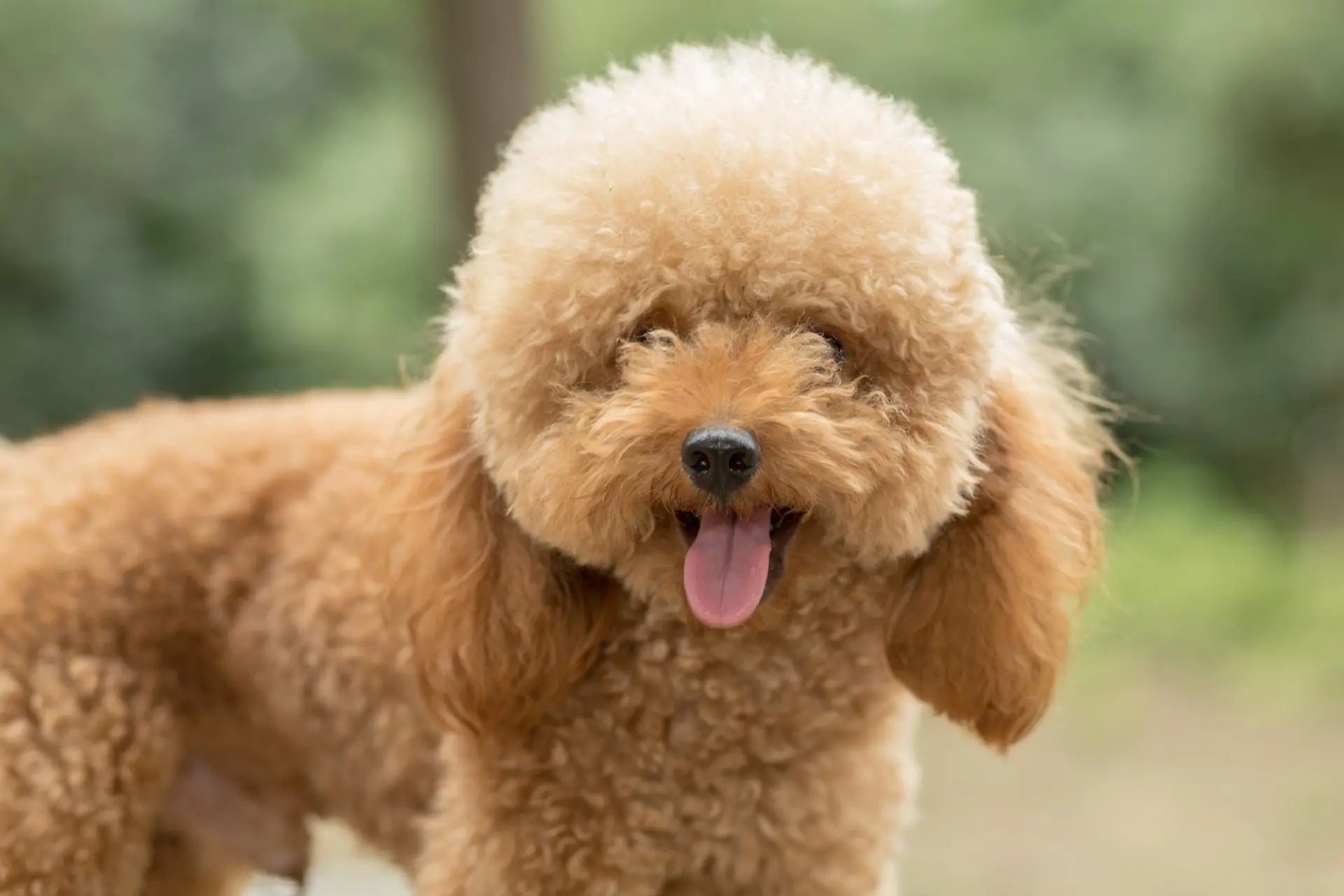
Toy Poodle Dog Breed: Size, Lifespan, Temperament & Care Guide
Toy Poodles are one of the most popular small dog breeds, loved for their intelligence, elegance, and affectionate nature. Whether you live in an apartment or a family home, a Toy Poodle may make a wonderful companion when their care needs, personality, and daily routine are properly understood.
In this guide, we answer the most common questions about Toy Poodles, including their size, lifespan, temperament, grooming needs, exercise requirements, health concerns, behaviour, and suitability for different homes.
Quick Facts Overview
|
Trait |
Details |
|
Size Category |
Toy |
|
Height & Weight |
Height: Up to 25 cm; Weight: 2 to 4 kg |
|
Coat Type & Colours |
Curly, dense single coat; various colours including white, black, apricot, red, silver |
|
Energy Level |
High |
|
Origin |
France/Germany |
|
Grooming Needs |
High |
|
Temperament |
Intelligent, alert, affectionate, playful |
|
Trainability |
Very High |
|
Compatibility |
Great with families, singles, and seniors |
|
Lifespan |
14 to 18 years |
Toy Poodle Size, Height, Weight and Full-Grown Age
Toy Poodles are the smallest Poodle size, which is one reason they are popular with apartment owners, seniors, families, and people who prefer smaller companion dogs. A full-grown Toy Poodle usually stands up to 25 cm tall and weighs around 2 to 4 kg.
|
Size detail |
Typical Toy Poodle range |
|
Adult height |
Up to 25 cm |
|
Adult weight |
Usually 2 to 4 kg |
|
Full-grown age |
Most reach close to adult size by around 9 to 12 months |
|
Build |
Small, fine-boned, light, and compact |
Because Toy Poodles are light and fine-boned, their walking gear should fit securely without feeling heavy. Poorly fitted collars or harnesses may rub against their coat, restrict movement, or make walks less comfortable.
Breed Origins and History
The Poodle’s origins trace back to Germany as a water retriever, but the Toy Poodle, as we know it today, was refined in France. Bred down from Standard Poodles, the Toy variety became popular among aristocracy as companions and entertainers. Despite their luxurious appearance, Toy Poodles retain the intelligence and athleticism of their larger ancestors, making them an ideal small dog for active households.
Toy Poodle vs Poodle: What’s the Difference?
The word Poodle refers to the breed family, while Toy Poodle refers to the smallest size type. Standard Poodles, Miniature Poodles, and Toy Poodles share many similar traits, including intelligence, a curly coat, and strong trainability. The main difference is size.
Toy Poodles usually suit people wanting a very small companion dog, while larger Poodles may suit owners wanting a bigger, more athletic dog. Even though Toy Poodles are small, they still need training, exercise, grooming, and mental enrichment like their larger relatives.
Personality and Temperament
Toy Poodles are cheerful, loving, and quick-witted. They form strong bonds with their families and thrive on interaction. This breed is alert but friendly, often welcoming new people once they’ve been introduced. Their playful spirit keeps them young at heart well into their senior years. Toy Poodles are known for their sensitivity, so they respond best to gentle, positive training methods.
They are often confident for their size, but many Toy Poodles prefer being close to their favourite person. With early socialisation, clear boundaries, and regular enrichment, they often grow into calm, affectionate, and well-mannered companions.
Trainability and Intelligence
One of the most intelligent breeds in the world, Toy Poodles are a dream to train. Their desire to please, paired with their mental agility, makes them excel in obedience, tricks, and agility.
-
Respond quickly to positive reinforcement like treats and praise
-
Thrive in structured learning environments
-
Learn commands and tricks exceptionally fast
-
A lightweight training harness ensures comfortable control during walks
-
Keep treats ready in a treat bag for consistent rewards
Because Toy Poodles learn quickly, they often enjoy short, regular training sessions. Repeating simple cues, rewarding calm behaviour, and adding puzzle-style activities can help prevent boredom and keep their mind active.
Exercise and Activity Requirements
Toy Poodles might be small, but they have bundles of energy that need daily outlets.
-
30 to 45 minutes of daily exercise
-
Enjoy brisk walks, indoor games, and puzzle toys
-
Love learning new tricks or participating in agility sports
-
A hands-free lead is ideal for convenient walks
-
Mental stimulation is just as important as physical activity
Short, consistent walks often suit Toy Poodles better than long, intense sessions. Their small body size means they may tire faster than larger dogs, but their sharp mind still needs games, training, scent work, and play to stay settled indoors.
Coat, Colours and Appearance
The Toy Poodle is compact yet elegant, with a fine bone structure, curly coat, and proud, lively carriage.
-
Height: Up to 25 cm
-
Weight: 2 to 4 kg
-
Coat: Dense, curly single-layer coat
-
Colours: White, black, apricot, red, silver, blue, cream, and more
-
Best suited for small dog gear
Their curly coat is one of their most recognisable features. It gives Toy Poodles their distinctive appearance, but it needs regular grooming to stay clean, comfortable, and free from mats.
Toy Poodle Lifespan: How Long Do Toy Poodles Live?
Toy Poodles typically live between 14 and 18 years, making them one of the longer-lived small dog breeds. Their lifespan is influenced by genetics, diet, dental care, exercise, grooming, weight management, and regular vet checks.
Because Toy Poodles often live well into their senior years, owners should think beyond puppy and adult care. Senior Toy Poodles may need gentler exercise, softer bedding, regular dental checks, and closer monitoring for changes in mobility, appetite, eyesight, and behaviour.
Living Environment Suitability
Toy Poodles are highly adaptable and thrive in many different environments.
-
Perfect for apartment living, small homes, or large houses
-
Need companionship and mental engagement daily
-
Sensitive to loneliness, so they prefer homes where someone is around for most of the day
-
A soft orthopaedic dog bed offers them a cosy resting place
-
Secure them safely during travel with a dog car harness
They do not need a large backyard to be happy, but they do need attention, routine, and stimulation. A bored Toy Poodle may bark, follow their owner constantly, or become unsettled when left alone for long periods.
Grooming and Maintenance
Toy Poodles require regular grooming to keep their coat healthy and tangle-free.
-
Professional grooming recommended every 4 to 6 weeks
-
Brush at least 2 to 3 times per week to prevent matting
-
Regular ear cleaning is essential to prevent infections
-
Keep nails trimmed and coat clean
-
Use a gentle soft collar to avoid irritating their fine coat
Their curly coat traps loose hair, which is why many people view Toy Poodles as low-shedding dogs. That same coat still needs regular brushing and clipping, because loose hair may stay trapped in the curls and lead to matting.
Common Health Issues
Toy Poodles are generally healthy but are prone to a few breed-specific concerns.
-
Common issues: luxating patella, progressive retinal atrophy (PRA), dental issues
-
Dental care is crucial due to their small mouths
-
Joint health support with a quality orthopaedic dog bed is beneficial
-
Regular vet check-ups and a healthy diet help extend lifespan
Not every Toy Poodle will develop these issues, but owners should stay aware of changes in movement, eyesight, teeth, weight, and energy levels. Regular vet care is the safest way to catch concerns early.
Diet and Feeding Guidelines
Nutrition is important to keep your Toy Poodle energetic and thriving.
-
Puppies: Feed 3 to 4 times daily in small, measured amounts
-
Adults: Feed twice a day, adjusting portions based on activity levels
-
High-quality, small-breed formulas recommended
-
Always provide access to clean, fresh water
-
Portable food and water bowls are perfect for outings
Because Toy Poodles are small, portion control matters. Even small weight changes may place extra pressure on their joints, so meals, treats, and daily activity should stay balanced.
Compatibility with People and Other Pets
Toy Poodles are incredibly social and fit well into many types of homes.
-
Great with children, seniors, and other pets
-
Thrive in busy, loving households
-
Early socialisation makes them more confident around other dogs
-
Walk multiple pets easily with a coupler lead
They are usually affectionate with people they know, but their small size means interactions with children and larger dogs should be supervised. Gentle handling helps keep them confident and comfortable.
Toy Poodle Behaviour: Barking, Clinginess and Being Left Alone
Without proper stimulation and boundaries, Toy Poodles may develop small-dog behavioural challenges.
-
May become vocal if left alone too often
-
Need daily mental stimulation to avoid boredom-based mischief
-
A no-pull harness ensures polite lead manners
-
Rotate interactive toys to keep their minds busy
Toy Poodles are often described as clingy because they form close bonds and enjoy being near their people. They may follow their owner around the home, seek attention often, or become unsettled when routines change. This behaviour is manageable with early training, short alone-time practice, enrichment, and a consistent daily routine.
Many Toy Poodles start to calm down as they mature, especially when their daily exercise and mental needs are met. They may remain playful as adults, but consistent training helps them settle more easily inside the home.
Is a Toy Poodle Right for You?
A Toy Poodle is a strong match for owners who want a small, smart, affectionate companion and have time for grooming, training, and daily interaction. They suit many homes, including apartments, but they do best with people who can provide routine, attention, and enrichment.
|
Best suited for |
Apartment living, families, singles, seniors, and owners wanting a small companion dog |
|
Main strengths |
Intelligent, affectionate, playful, alert, and highly trainable |
|
Main care needs |
Grooming, companionship, daily exercise, training, and mental enrichment |
|
Potential challenges |
Clinginess, barking, separation anxiety, grooming costs, and dental care |
Essential Gear for Toy Poodles
Toy Poodles need gear that suits their small frame, curly coat, and active mind. The best choices should feel light, secure, and comfortable during daily walks, rest, travel, and training.
Walking and Training
-
Training harnesses help provide comfortable control during training and daily walks.
-
Hands-free leads are useful for relaxed walks when your Toy Poodle already has polite lead manners.
Comfort and Rest
-
Orthopaedic dog beds give small dogs a supportive place to rest, especially as they age.
-
Car harnesses help keep your Toy Poodle secure during everyday travel.
Fun and Enrichment
-
Dog toys support daily enrichment and help prevent boredom.
-
Treat bags make reward-based training easier during walks and short sessions.
FAQs: Toy Poodle
1. Are Toy Poodles good house dogs?
Yes, Toy Poodles make excellent house dogs. They are intelligent, affectionate, and adapt well to smaller living spaces like apartments or suburban homes. As long as they receive daily exercise and mental stimulation, they are happy and well-behaved indoors.
2. Is a Toy Poodle high maintenance?
Toy Poodles do require a fair amount of care. Their curly coat needs regular grooming, including brushing a few times a week and professional clipping every six to eight weeks. They are very intelligent and need consistent mental stimulation to stay happy.
3. Are Toy Poodles okay to be left alone?
Toy Poodles can tolerate being alone for short periods, but they are companion dogs at heart. Being left alone for too long may lead to separation anxiety. If you are out often, it is important to provide them with dog toys or arrange for someone to check in.
4. Do Toy Poodles bark a lot?
Toy Poodles are alert and tend to bark when they sense something unusual. While they are not constant barkers by nature, without proper training and stimulation, they may become noisy. Early training helps keep their barking under control.
5. Do Toy Poodles shed?
Toy Poodles are considered low-shedding dogs. Their curly coat traps loose hair, which reduces shedding around the house. However, regular grooming is important to prevent matting and keep their coat in good condition.
6. What is the lifespan of a Toy Poodle?
Toy Poodles typically live between 14 and 18 years. They are one of the longer-lived dog breeds, thanks to their small size and generally good health when properly cared for.
7. What are the disadvantages of a Toy Poodle?
While Toy Poodles have many wonderful traits, they may be prone to separation anxiety, require regular grooming, and may be sensitive to harsh training methods. Their intelligence means they need consistent mental engagement to avoid boredom-related behaviours.
8. Are Toy Poodles clingy?
Toy Poodles are known for forming very strong bonds with their owners. They may be quite clingy, often following their favourite person around the house. While this is endearing to many, it may lead to separation anxiety if not managed early.
9. What not to do with a Toy Poodle?
Avoid leaving a Toy Poodle alone for long hours, using harsh training methods, or neglecting their grooming needs. They thrive with gentle, positive reinforcement and regular mental and physical activities. Be mindful of their delicate size when handling them.
10. What age do Toy Poodles calm down?
Most Toy Poodles start to settle down between 18 months and 2 years of age. However, they generally retain a playful and lively spirit well into their adult years. Regular exercise and mental stimulation help manage their energy in a positive way.
11. How big is a full-grown Toy Poodle?
A full-grown Toy Poodle usually stands up to 25 cm tall and weighs around 2 to 4 kg. Most are close to their adult size by around 9 to 12 months, although behaviour and confidence may continue to mature after that.
12. What is the difference between a Toy Poodle and a Poodle?
Poodle is the breed name, while Toy Poodle refers to the smallest size type. Toy Poodles share many traits with larger Poodles, including intelligence and a curly coat, but they are much smaller and lighter.
13. Are Toy Poodles smart?
Yes, Toy Poodles are very smart and usually learn quickly with positive reinforcement. Their intelligence is a major strength, but it means they need regular training, games, and enrichment to prevent boredom.
Final Thoughts
Toy Poodles offer a wonderful blend of intelligence, loyalty, and playfulness, making them ideal companions for many households. While they require regular grooming and mental engagement, the love and joy they bring to a home is hard to match.
If you are considering welcoming a Toy Poodle into your life, understanding their size, lifespan, temperament, behaviour, grooming needs, and daily care requirements will help create a happy and lasting bond. Each Toy Poodle has its own personality, and with the right care and attention, they will thrive as a loving member of your family.
Looking for the best gear for your Toy Poodle?
Check EzyDog for premium harnesses, dog beds, and accessories designed for stylish, smart small dogs like the Toy Poodle.


Read more

Leave a comment
This site is protected by hCaptcha and the hCaptcha Privacy Policy and Terms of Service apply.