
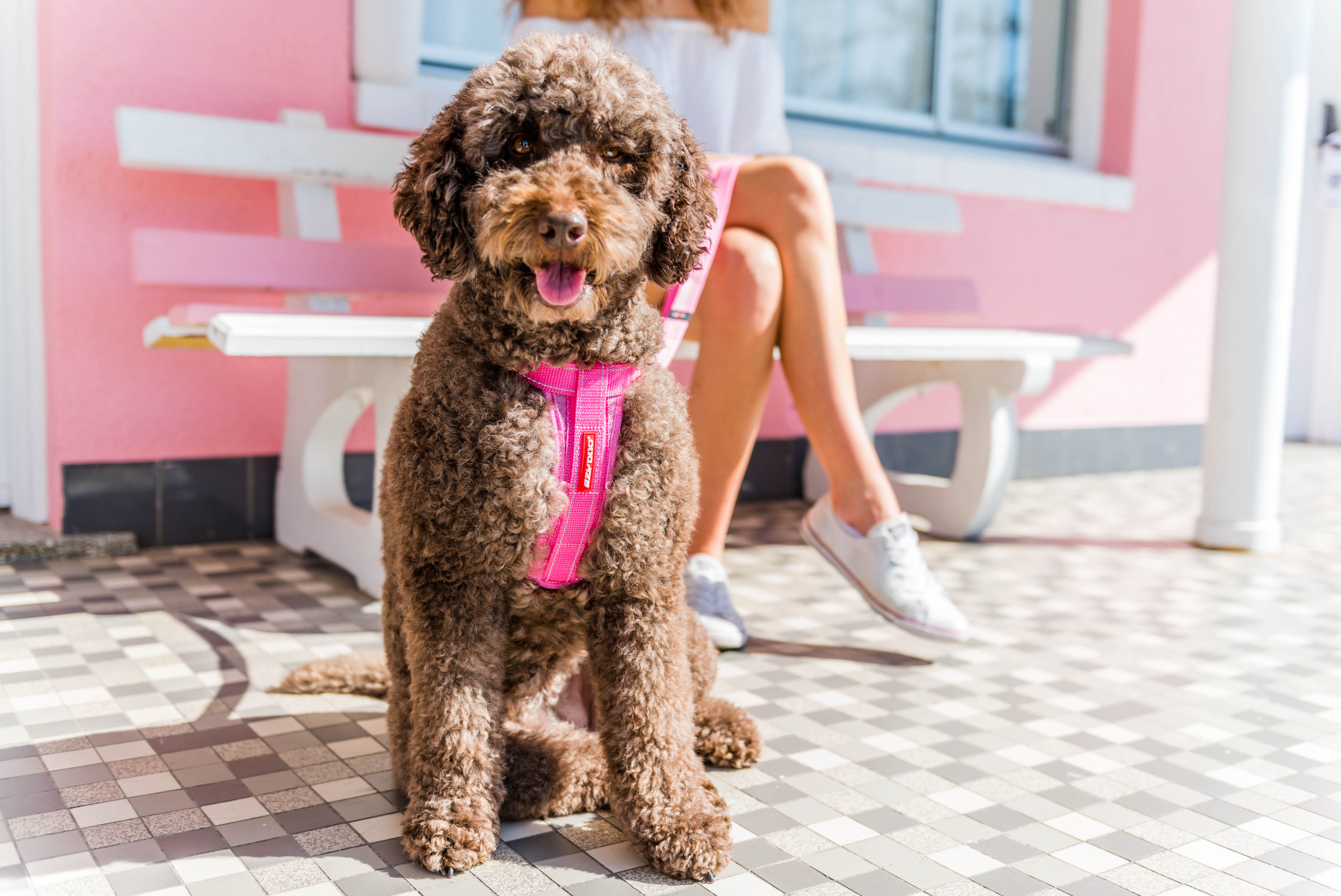
Groodle: Traits, Training, Care & Behaviour Insights by a Dog Owner
The Groodle is a popular Australian crossbreed that combines the friendly nature of the Golden Retriever with the intelligence and curly coat influence of the Poodle. Many families choose Groodles for their affectionate personality, trainability, and social nature.
This guide explains Groodle size, temperament, training needs, grooming, lifespan, health, behaviour, and the type of home that suits this active companion dog.
What Is a Groodle Dog?
A Groodle, often called a Goldendoodle in other countries, is a cross between a Golden Retriever and a Poodle. The breed mix was developed to combine the Golden Retriever’s gentle, family-friendly personality with the Poodle’s intelligence and lower-shedding coat traits.
Groodles are usually medium to large dogs, though their size varies depending on the Poodle parent and breeding line. They are known for being friendly, smart, people-focused, and active, which makes them well suited to owners who enjoy daily walks, training, and regular grooming.
Quick Facts Overview
|
Trait |
Details |
|
Size Category |
Medium to Large |
|
Height & Weight |
50–65 cm tall, 20–35 kg |
|
Coat Type & Colours |
Wavy or curly; gold, cream, black, red |
|
Energy Level |
High |
|
Origin |
Australia |
|
Grooming Needs |
Medium to High |
|
Temperament |
Intelligent, gentle, friendly, loyal |
|
Trainability |
High |
|
Compatibility |
Excellent with kids, pets, strangers |
|
Lifespan |
12–15 years |
Groodle Size, Weight and Growth
Groodle size depends on the size of the Poodle parent, the Golden Retriever parent, and the breeding line. Standard Groodles are usually medium to large dogs, while Mini Groodles are smaller and often lighter.
Many standard Groodles grow to around 50–65 cm tall and weigh around 20–35 kg. Mini Groodles vary more because their size depends heavily on the Poodle parent. Most Groodles reach close to adult size between 12 and 18 months, although muscle tone and maturity may continue to develop after that.
Because Groodles vary in size, it is worth checking measurements carefully when choosing walking gear, beds, coats, or car travel accessories. A medium Groodle and a large Groodle may need different fit options, even if their temperament and care needs are similar.
Breed Origins and History
Key Facts:
-
Parent Breeds: Golden Retriever and Poodle
-
Country of Origin: Australia
-
Purpose: Developed for low-shedding coats and service dog suitability
The Groodle, often known as the Goldendoodle, originated in Australia through the purposeful crossbreeding of a Golden Retriever and a Poodle. The goal was to combine the intelligence and low-shedding coat of the Poodle with the calm, loyal temperament of the Golden Retriever. Initially used as therapy and assistance dogs, their adaptability and family-friendly traits quickly made them popular household companions.
The Groodle’s appeal comes from this blend of working-dog intelligence, companion-dog affection, and a coat type that often sheds less than many traditional double-coated breeds. Because Groodles are crossbreeds, appearance, size, coat texture, and energy levels may vary between individual dogs.
Personality and Temperament
Understanding a dog's temperament is key to knowing whether they suit your household, energy level, and daily rhythm. Groodles are admired for their even-tempered nature and ability to adapt to various environments and routines.
Key Temperament Traits:
-
Affectionate and friendly with family and strangers
-
Playful and gentle with children
-
Intelligent and eager to please
-
Can be prone to separation anxiety if left alone for long periods
Groodles thrive on human companionship and do best in homes where they are considered a core part of daily life. They are known to be calm indoors but lively and energetic during play.
Many Groodles are people-focused and enjoy being included in family routines. Their friendly nature makes them a strong match for active families, but their social personality means they need time, attention, and structure. Without enough exercise or enrichment, they may become restless, vocal, or overexcited.
Trainability and Intelligence
Groodles are highly intelligent and respond well to consistent, positive reinforcement. They are well-suited for a variety of training programs, from basic obedience to advanced agility and therapy work.
Trainability Traits Comparison:
|
Trait |
Rating |
Notes |
|
Obedience |
Very High |
Quickly follows commands and routines |
|
Responsiveness |
High |
Alert to cues and environmental changes |
|
Focus |
Moderate |
Can get distracted in high-energy settings |
|
Social Learning |
High |
Learns quickly from people and other dogs |
Groodle training should start early and stay consistent. Short sessions, reward-based cues, lead manners, recall practice, and calm greeting routines help manage their excitement and make daily life easier. Since Groodles are smart, they often learn quickly, but they may become distracted if training feels too repetitive or if the environment is overstimulating.
Training Tools:
Exercise and Activity Requirements
Groodles are active dogs that need both physical activity and mental stimulation. Most do best with at least 60–90 minutes of daily movement, split across walks, play, training, and enrichment.
Recommended Activities:
-
Long walks
-
Jogging
-
Swimming
-
Fetch
-
Agility courses
-
Scent games
-
Play sessions to burn off energy
-
Mental stimulation such as puzzle toys or obedience drills
A tired Groodle is usually easier to manage indoors, but exercise should not rely on physical activity alone. Training games, scent work, food puzzles, and calm-settle practice help keep their mind busy and reduce boredom-led behaviour.
Recommended Gear:
-
Hands-free dog leads suit active walks, jogging, and outings when your Groodle already has reliable lead manners.
-
Dog life jackets are useful for water-loving Groodles during supervised swimming or boating activities.
-
Running dog leads help active owners keep better control during faster-paced exercise.
Groodle Coat, Appearance and Shedding
Groodles usually have a medium to large build, with a soft wavy or curly coat. Their appearance varies because coat texture and body shape depend on the traits inherited from the Golden Retriever and Poodle parents.
Typical Features:
-
Medium to large build
-
Shaggy, wavy, or curly coat
-
Low to moderate shedding
-
Colours: gold, cream, red, chocolate, black
Groodle shedding varies. Some have a curlier, lower-shedding coat, while others shed more if they inherit more Golden Retriever coat traits. No Groodle is guaranteed to be completely hypoallergenic, so regular brushing and grooming remain important.
Size-Specific Gear:
Groodle Lifespan and Life Expectancy
Groodles typically live between 12 and 15 years. Their lifespan is influenced by genetics, weight management, diet, exercise, grooming, dental care, and regular vet checks.
Because many Groodles are active medium to large dogs, joint care matters throughout their life. Owners should monitor changes in movement, weight, appetite, eyesight, ears, coat condition, and energy levels, especially as their dog gets older.
Living Environment Suitability
Groodles adapt well to various living situations as long as they get adequate attention and exercise.
Ideal Conditions:
-
Suburban homes with fenced yards
-
Apartment life with daily walks
-
Indoor companionship preferred
Groodles are best suited to homes where they are included in daily family life. They may live happily in smaller spaces if their exercise needs are met, but they are not ideal for owners who are away for long hours without support, enrichment, or routine.
Useful Products:
-
Orthopedic dog beds provide a supportive place to rest after active days.
-
Dog car harnesses help secure your dog during everyday travel.
-
Dog car seat covers help protect the car from hair, wet paws, and outdoor mess.
Grooming and Maintenance
Groodle grooming needs depend on coat type. Curlier coats usually need more brushing and clipping, while wavier coats may shed more and still need regular maintenance.
Grooming Needs:
-
Brush 3–4 times weekly
-
Professional grooming every 6–8 weeks
-
Regular nail, ear, and dental care
Groodles with floppy ears may need regular ear checks, especially after swimming or wet weather. Matting may form behind the ears, under the legs, around the collar area, and near the tail if brushing is missed.
Recommended Products:
-
Soft dog collars may help reduce rubbing around the neck and coat.
-
ODR-Out helps with odour control after outdoor play, wet walks, or messy adventures.
Common Health Issues
Groodles are generally healthy but may be prone to some inherited conditions. Responsible breeding, regular vet checks, weight control, and good daily care help support long-term wellbeing.
Potential Conditions:
-
Hip and elbow dysplasia
-
Progressive retinal atrophy
-
Ear infections (due to floppy ears)
Owners should watch for changes in walking style, stiffness after exercise, ear odour, excessive scratching, eye changes, or sudden changes in behaviour. Any health concern should be checked by a vet.
Health Support Gear:
-
Dog beds support regular rest and recovery after activity.
-
Reflective dog collars help improve visibility during early morning or evening walks.
-
Safety collection supports safer outdoor routines for active dogs.
Diet and Feeding Guidelines
Groodles need a balanced diet that suits their size, age, weight, and daily activity level. Because they are active dogs, food portions should match their exercise routine without allowing excess weight gain.
Feeding Recommendations:
-
2 balanced meals per day
-
Monitor weight and adjust portions based on activity
-
High-quality protein and limited-ingredient diets for sensitivities
Weight management is especially important for medium and large Groodles, since extra weight may place pressure on joints. Treats should be included in their daily food allowance, especially during regular training sessions.
Helpful Accessories:
Compatibility with People and Other Pets
A breed's compatibility is key to ensuring harmony within a home, especially for families with children or multiple pets. Groodles excel in social adaptability, making them suitable for a wide range of living situations and household dynamics.
Groodles are highly compatible with a wide range of households.
Compatibility Overview:
-
Excellent with children
-
Friendly with other dogs and cats
-
Generally good with strangers
They are usually a strong match for families that enjoy activity, training, and regular interaction. Early socialisation helps them stay confident around children, guests, other dogs, and new environments.
Recommended Products:
-
Dog harnesses provide practical support for daily walks and training.
-
Couplers and extensions may help households walking more than one dog.
Groodle Behaviour: Barking, Chewing and Being Left Alone
Common behavioural challenges arise from under-stimulation, loneliness, lack of training, or too much unused energy.
Possible Issues:
-
Barking
-
Chewing
-
Anxiety-related behaviours
Groodles are not usually heavy barkers by nature, but they may bark when bored, excited, anxious, or left alone too long. Chewing and restlessness often appear when they need more exercise, routine, or mental work.
Management Solutions:
-
Non-pull harnesses help with better walking control during training and outdoor routines.
-
Toys help support daily enrichment and boredom prevention.
-
Clean-up accessories help manage everyday mess from active dogs.
Is a Groodle Right for You?
A Groodle is a strong match for owners who want a friendly, intelligent, active dog and have time for grooming, training, exercise, and companionship. They are well suited to families, active singles, and homes where the dog is included in daily life.
They may be less suited to homes where they will be left alone for long hours without structure, enrichment, or regular activity. A Groodle is at their best when they have clear routines, regular exercise, and a close connection with their family.
Essential Gear for Groodles
Groodles need gear that suits their size, coat, energy level, and training needs. Since many Groodles are active medium to large dogs, secure walking gear, comfortable rest options, and practical travel gear all matter.
Walking and Outdoor:
-
Dog leashes support daily walks, training routines, and outdoor control.
-
Dog harnesses are useful for active Groodles that need comfortable walking support.
Style and Identification:
-
Designer dog collars help support everyday ID and lead attachment.
-
Leather collars provide a classic collar option for daily use.
Training:
-
Treat bags make reward-based training easier during walks and short sessions.
-
Dog training tools help support manners, recall, and calm behaviour.
Travel and Safety:
-
Dog car seat belts help secure your Groodle during car travel.
Seasonal Needs:
-
Coats help with comfort in cooler weather, especially after grooming or clipping.
-
Summer collection supports warm-weather walks, travel, and outdoor routines.
Customisation:
-
Personalised dog harnesses add a custom touch to everyday walking gear.
-
Customise collection offers options for owners who want personalised gear.
FAQs: Groodle Dog Breed
What is a Groodle?
A Groodle is a cross between a Golden Retriever and a Poodle. They are known for being friendly, intelligent, social, and often lower shedding than many other family dog breeds.
How big does a Groodle grow?
Many standard Groodles grow to around 50–65 cm tall and weigh around 20–35 kg. Mini Groodles are usually smaller, depending on the size of the Poodle parent.
Is a Groodle a good family dog?
Groodles are widely considered one of the best family-friendly breeds due to their gentle nature and love for companionship.
-
Affectionate and playful with children
-
Easily socialised with other pets
-
Loyal and emotionally intuitive
Are Groodles smart?
Yes, Groodles are smart dogs and usually respond well to positive training. Their intelligence is a strength, but they need regular training and enrichment to prevent boredom.
Do Groodles bark a lot?
Groodles are not excessive barkers but may bark out of boredom or if left alone for long periods.
-
May bark when anxious or under-stimulated
-
Early training can reduce barking habits
-
Regular exercise helps limit vocalisation
Can Groodles be left home alone?
While they may tolerate some alone time, Groodles are highly people-oriented and may struggle if left for too long.
-
Prone to separation anxiety
-
Best suited for households with varied schedules
-
Enrichment toys and crate training help
Why are Groodles so expensive?
Their price reflects breeding quality, health testing, and demand.
-
Often bred from health-tested parents
-
High demand for hypoallergenic, family-friendly dogs
-
Quality breeding programs and temperament testing
Do Groodles like to cuddle?
Yes, most Groodles are affectionate and enjoy close contact with their owners.
-
Enjoy snuggling on furniture or beds
-
Thrive on physical affection
-
Often lean or nuzzle when seeking attention
What are the behavioural issues of a Groodle?
Most issues stem from a lack of engagement or time alone.
-
Separation anxiety
-
Chewing when bored
-
Barking without adequate stimulation
Are Groodles high maintenance?
Their grooming and activity needs are higher than average but manageable with routine.
-
Require regular grooming and coat maintenance
-
Need daily physical and mental exercise
-
Thrive in active households
What is the lifespan of a Groodle?
Groodles typically live between 12 to 15 years.
-
Regular vet care supports longevity
-
Balanced diet and exercise reduce health risks
-
Common issues include hips, eyes, and ears
Do Groodles shed a lot?
Shedding varies based on coat type and generation.
-
F1B Groodles shed less (more Poodle influence)
-
Regular grooming reduces loose hair
-
Not 100% hypoallergenic but low-shedding
What age do Groodles settle down?
Groodles tend to mellow as they mature but stay playful.
-
Settle around 2 to 3 years old
-
Continued training supports calmer behaviour
-
Mental stimulation helps reduce restlessness
Final Thoughts
The Groodle is a smart, loving, and adaptable companion for active households. With the right balance of training, grooming, exercise, enrichment, and companionship, they bring years of loyalty and joy.
Looking for gear for your Groodle?
A good Groodle setup should suit their size, energy level, coat type, training needs and family lifestyle.
EzyDog gear is designed for daily walks, training, travel and outdoor adventures, with practical options for medium to large dogs like the Groodle.


Read more

Leave a comment
This site is protected by hCaptcha and the hCaptcha Privacy Policy and Terms of Service apply.