
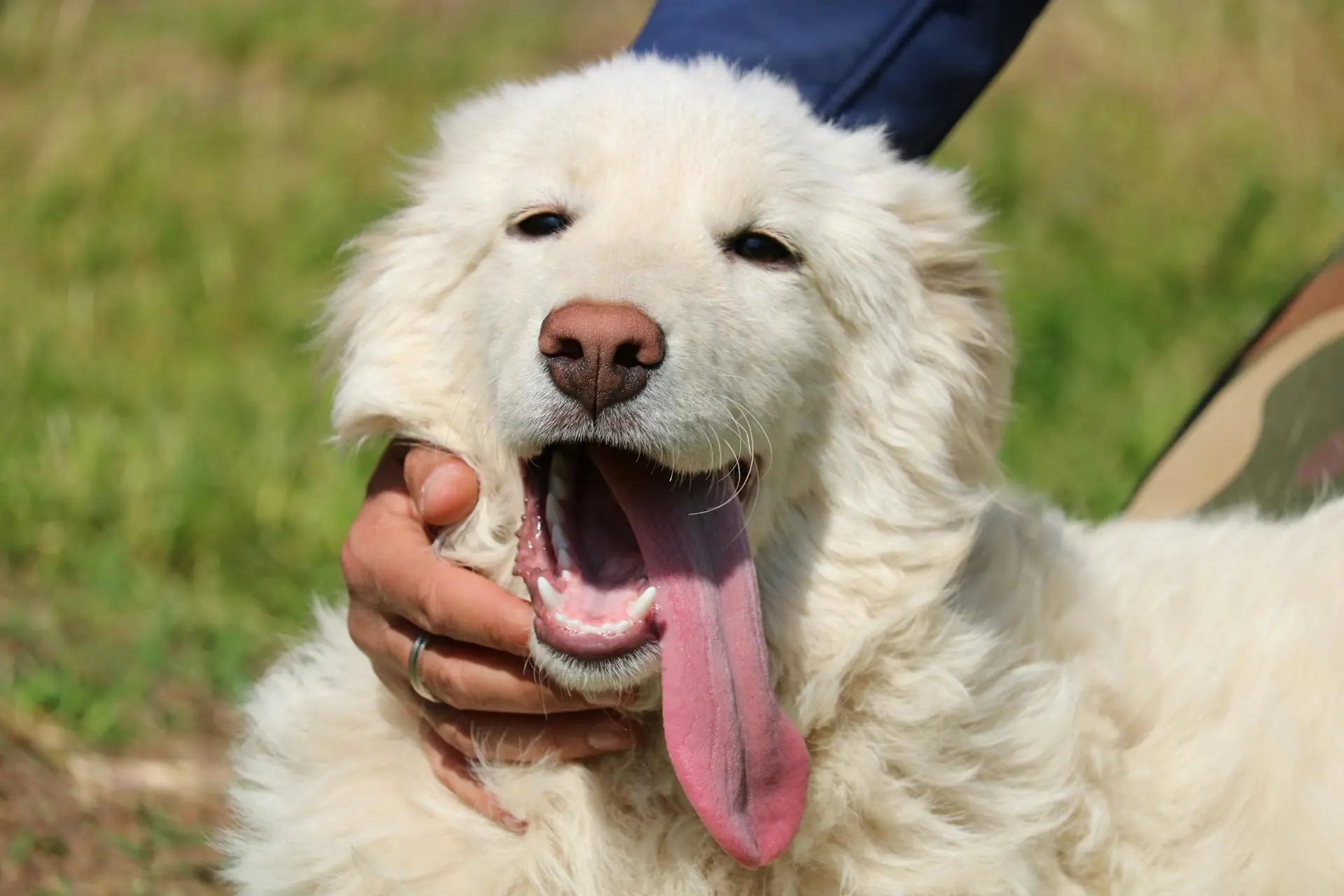
Maremma: History, Care, Training & Health Insights By a Vet Expert
The Maremma Sheepdog is a large Italian livestock guardian breed known for its calm confidence, protective nature and strong loyalty. Unlike herding dogs, Maremmas were bred to guard flocks independently, which gives them a very different temperament from many family companion breeds.
This guide covers Maremma Sheepdog size, temperament, lifespan, training, shedding, grooming, health, behaviour, living needs and the type of owner this powerful guardian breed suits best.
What Is a Maremma Sheepdog?
A Maremma Sheepdog, often called a Maremma, is a large livestock guardian dog from Italy. The breed was developed to protect sheep from predators across rural areas, especially in the Maremma and Abruzzo regions.
Maremmas are calm, watchful and independent. They are not typical obedience-focused dogs. Their natural role is to observe, assess and protect, which means they need confident handling, early socialisation, secure fencing and a home that respects their guarding instincts.
Quick Facts Overview
|
Trait |
Details |
|
Size Category |
Large |
|
Height & Weight |
60–73 cm; 30–45 kg |
|
Coat Type & Colours |
Long, dense double coat; white or cream |
|
Energy Level |
Moderate to High |
|
Origin |
Italy (Maremma and Abruzzo regions) |
|
Grooming Needs |
High |
|
Temperament |
Independent, protective, calm, loyal |
|
Trainability |
Moderate (needs patient, experienced handler) |
|
Compatibility |
Best with experienced owners, not suited to apartments |
|
Lifespan |
11–13 years |
Maremma Sheepdog Size, Height, Weight and Lifespan
The Maremma Sheepdog is a large breed with a strong frame, thick coat and powerful working build. Most adults stand around 60–73 cm tall and weigh around 30–45 kg, although individual size may vary by sex, genetics, diet and activity level.
The typical Maremma lifespan is around 11–13 years. Like many large dogs, long-term health depends on careful weight management, suitable exercise, joint support, regular vet checks and a balanced diet that matches their age and activity level.
Because of their size and strength, Maremmas need properly fitted walking gear, secure restraint options and enough space to move comfortably. They are not small-yard dogs and are not usually suited to apartment life.
Breed Origins and History
The Maremma Sheepdog, or simply Maremma, is an ancient guardian breed from central Italy. Originally bred to protect flocks from wolves and predators, this large, noble dog developed in the rugged mountains and open fields of the Maremma and Abruzzo regions. Unlike herding breeds, Maremmas were left to independently watch over sheep, which explains their strong sense of duty and independent thinking today. While they’re still used on working farms in Australia, many Aussies have come to love the Maremma as a loyal family guardian.
Their working background matters when deciding whether this breed suits a home. A Maremma was not bred to chase balls all day or follow every command instantly. They were bred to stay alert, patrol a boundary and make decisions without constant human direction.
Personality and Temperament
If you're after a dog that’s calm yet courageous, loyal but independent, the Maremma might be your kind of mate. These dogs aren’t clingy. In fact, they’re often content doing their own thing as long as they know their family or flock is safe. They’re gentle with kids and livestock but may be reserved or territorial around strangers. With their natural guarding instincts, they thrive in environments where their protective nature is understood.
Maremma temperament is shaped by independence, loyalty and watchfulness. They are usually calm around familiar people and animals, but they may become suspicious of unfamiliar visitors, dogs or movement near their property. This does not mean they are naturally aggressive, but their guarding instinct needs careful management.
Early socialisation is important. A well-raised Maremma should learn the difference between normal everyday activity and a real concern. They need calm exposure to people, livestock, other pets, vehicles, noises, gates, fences and household routines from a young age.
Trainability and Intelligence
Maremmas are incredibly intelligent, but they weren’t bred to follow commands. Instead, they make decisions on their own, which makes training a different experience compared to breeds like retrievers or collies.
-
Respond best to calm, confident training
-
Early socialisation is essential to avoid over-guarding
-
Use firm but positive reinforcement, with no harsh methods
-
Ideal tools include a secure training harness and treat bag
-
Training should focus on manners, boundaries, and calm leash behaviour
Training should be steady and practical. Focus on lead manners, recall foundations, waiting at gates, calm behaviour around visitors, controlled introductions and settling in a designated space. Maremmas respond poorly to harsh handling, so the best approach is patient, consistent and fair.
Exercise and Activity Requirements
Despite their large size, Maremmas don’t have extreme sporting-dog energy levels. They’re not built for fetch or agility. They prefer patrols and purposeful movement, but they still need regular activity to stay balanced.
-
Aim for 45–60 minutes of daily walking or secure roaming
-
Prefer slow-paced walks over intense running
-
Enjoy guarding territory—make sure they’re in a secure yard
-
Great candidates for large properties or acreage
-
A sturdy hands-free lead is helpful for calm walks with big breeds
Maremmas benefit from routine more than intense exercise. A secure property, calm lead walks, supervised patrol time and mental stimulation help them stay settled. Without purpose, boundaries and space, they may bark, dig, roam or become difficult to manage.
Maremma Sheepdog Appearance, Size and Coat
These majestic dogs have a big presence, with a fluffy white coat and dignified stance. Their thick coat and proud build make them stand out, especially when they are watching over their space.
-
Height: 60–73 cm
-
Weight: 30–45 kg
-
Coat: Long, dense, weather-resistant double coat
-
Colour: Typically pure white or light cream
-
Suits large to XL-sized gear
The white double coat helps protect the dog from weather while working outdoors. It is dense, practical and naturally suited to a guardian role, but it does require regular care to manage shedding, dirt, burrs and matting.
Living Environment Suitability
The Maremma is not a suburban or city apartment dog. These dogs need space, a purpose, and clear boundaries. They’re perfect for rural homes, hobby farms, or big backyards with secure fencing.
-
Best in rural or semi-rural environments
-
Needs a large, well-fenced property
-
Not ideal for dog parks or off-lead in public
-
Shouldn’t be left alone for long periods in small spaces
-
A supportive dog bed in a quiet space helps them rest comfortably after patrol
The right home for a Maremma is one where fencing, routine and purpose are already part of daily life. They often do best where they have a defined area to guard, calm owner leadership and enough space to move without constant frustration.
Maremma Shedding, Grooming and Maintenance
That thick white coat does not stay tidy on its own. Maremmas shed heavily, especially during seasonal coat changes, and need regular brushing to keep their double coat healthy.
-
Brush 2–3 times a week (daily during shedding seasons)
-
Bathe every 6–8 weeks or when needed
-
Keep an eye out for burrs, matting, or ticks
-
Trim nails monthly and clean ears to avoid infection
-
Use a soft, wide-fit collar to avoid coat breakage
Outdoor Maremmas should be checked for grass seeds, burrs, ticks and matting around the ears, chest, tail and legs. Regular grooming is not only about appearance. It helps owners notice skin irritation, sore spots, coat changes and movement issues early.
Common Health Issues
Maremmas are generally hardy, but like most large breeds, they are prone to some conditions that owners should be aware of.
-
Common issues: hip dysplasia, bloat, entropion (inward-turning eyelids)
-
Joint support is important, especially as they age
-
Feed smaller, more frequent meals to help avoid bloat
-
A durable, cushioned orthopaedic bed helps protect joints in older dogs
Owners should watch for stiffness, reluctance to move, a swollen abdomen, retching without vomiting, eye irritation or sudden changes in appetite and behaviour. Any health concern should be checked by a vet, especially in a large breed where joint and digestive issues may develop quickly.
Diet and Feeding Guidelines
These dogs don’t require fancy diets, but they do need quality nutrition to fuel their large bodies and maintain coat health.
-
Puppies: 2–3 meals per day with balanced puppy formula
-
Adults: 2 cups to 4 cups daily depending on weight and activity
-
Choose formulas with joint support, omega-3s, and protein
-
Make water available at all times
-
Travel food and water sets are handy for working farms or road trips
Portion control matters for Maremmas because excess weight can place pressure on hips, elbows and other joints. Large dogs should not be overfed during growth, and owners should ask their vet about the best feeding plan for their dog’s age, size and activity level.
Compatibility with People and Other Pets
Maremmas form deep bonds with their family and animals they’ve been raised with, but they’re not the dog for everyone. They need early exposure to different people, sounds, and pets to encourage balanced behaviour.
-
Loyal to family but aloof with strangers
-
Protective around unfamiliar dogs unless socialised early
-
Can live peacefully with cats, poultry, and livestock
-
Best with older children who understand their space
Use a coupler leash to walk them alongside compatible pets
Maremmas may be affectionate with their family, but they are not usually social butterflies with everyone they meet. They are best suited to owners who understand controlled introductions, calm handling and the need to supervise interactions with visitors, children and unfamiliar dogs.
Maremma Behaviour: Barking, Guarding, Roaming and Aggression
The key with Maremmas is prevention. Structure and socialisation reduce issues like over-guarding or roaming. Their behaviour often reflects how well their needs are being met.
-
Can become territorial or reactive if not socialised
-
May bark to alert or ward off perceived threats
-
Tendency to roam if not securely fenced
-
Use a no-pull harness to keep control on walks
-
Offer enrichment toys to avoid boredom in quiet moments
Are Maremmas aggressive? Not by default. A well-socialised Maremma should be steady and controlled, but their protective instincts are strong. Poor fencing, lack of socialisation, unclear boundaries or unmanaged guarding behaviour may lead to barking, reactivity or defensive behaviour.
Is a Maremma Sheepdog Right for You?
A Maremma Sheepdog is best for experienced owners who understand guardian breeds and have the space, fencing and lifestyle to match. They suit rural homes, hobby farms, working properties and calm households that respect their independence.
This breed is not ideal for owners looking for an easy first dog, apartment companion or highly obedient off-lead social dog. Maremmas need purpose, routine, patient handling, secure fencing and early socialisation to become balanced companions.
Essential Gear for Maremmas
Maremmas need gear that suits their large size, strength, coat and working background. Choose equipment that supports control, comfort, visibility, rest and safe travel.
Walking and Training
-
Training harnesses help with controlled lead work and calm training routines.
-
Durable leashes are useful for managing a large, strong guardian breed outdoors.
Outdoor and Working Life
-
Orthopedic Dog Beds support joints and recovery after patrols, walking and outdoor time.
-
Car harnesses help secure large dogs during road trips, vet visits and farm travel.
Comfort and Control
-
Reflective collars help improve visibility around large properties, driveways and low-light walks.
-
No-pull gear helps support safer control during walks and training.
FAQs: Maremma Sheepdog
How big is a Maremma Sheepdog?
A Maremma Sheepdog is a large dog, usually around 60–73 cm tall and 30–45 kg. Their exact size depends on genetics, sex, diet, activity and body condition.
How long do Maremma dogs live?
Maremma dogs usually live around 11–13 years. Regular vet checks, healthy weight management, joint care, suitable exercise and good nutrition all help support long-term wellbeing.
Are Maremmas hard to train?
Yes, Maremmas are often challenging to train, especially for first-time dog owners. They’re very intelligent but strong-willed and independent. Training them requires consistency, patience and a firm but fair approach, ideally started from a young age.
Can you keep a Maremma as a pet?
You may keep a Maremma as a pet, but they are not typical house pets. They’re working dogs bred to guard livestock, so they do best in homes with large properties or farms. With the right environment and training, they become devoted family companions.
How much exercise do Maremmas need?
Maremmas need regular daily exercise and secure roaming time. They enjoy structured activities like long walks, farm work or mentally stimulating tasks. Without enough physical and mental engagement, they may become bored and destructive.
Do Maremmas bark a lot?
Yes, barking is part of their natural guarding instinct. They bark to alert you of anything unusual. While some barking is expected, it may be managed with early training and a stable routine that keeps them calm.
Do Maremmas get along with other dogs?
Maremmas may get along with other dogs, especially if socialised early. However, they’re naturally territorial and may not tolerate unfamiliar dogs entering their space. Proper introductions and supervision are essential.
Are Maremmas aggressive to other dogs?
They aren’t aggressive by default, but they are protective. If they sense a threat to their territory or family, they might react defensively. Good socialisation and strong leadership from their owner help reduce this behaviour.
Do Maremmas shed a lot?
Yes, Maremmas are heavy shedders, particularly during seasonal coat changes. Regular brushing, at least several times a week, is necessary to manage shedding and keep their double coat healthy.
Are Maremmas good family dogs?
Maremmas may be good family dogs in the right home, especially with experienced owners, early socialisation and enough space. They are loyal and protective, but they need clear boundaries and careful handling around visitors.
Can a Maremma be left alone?
They don’t cope well with long periods of solitude in small spaces. Maremmas are working dogs that thrive with purpose and companionship. Leaving them alone too long may lead to anxiety or nuisance behaviours like digging or excessive barking.
What are the health issues with Maremma dogs?
Common concerns include hip and elbow dysplasia, and in some cases, bloat. They're generally hardy, but like all large breeds, benefit from proper nutrition, controlled exercise while young, and regular vet check-ups.
What qualities does a Maremma have?
Maremmas are loyal, protective, calm and intelligent. They’re known for being independent thinkers, which is useful for guarding but requires an experienced hand when it comes to training and handling.
Final Thoughts
The Maremma is a noble, protective breed best suited to experienced owners with the space and lifestyle to match their needs. With patience, structure, early socialisation and the right gear, they become trusted guardians and loyal companions.
Need reliable gear for your Maremma?
A Maremma needs gear that suits their large size, strength, thick coat and calm guardian nature.
Explore EzyDog’s large dog collection for practical accessories designed for bigger breeds, from walking gear and collars to travel, comfort and everyday essentials.


Read more


Leave a comment
This site is protected by hCaptcha and the hCaptcha Privacy Policy and Terms of Service apply.