
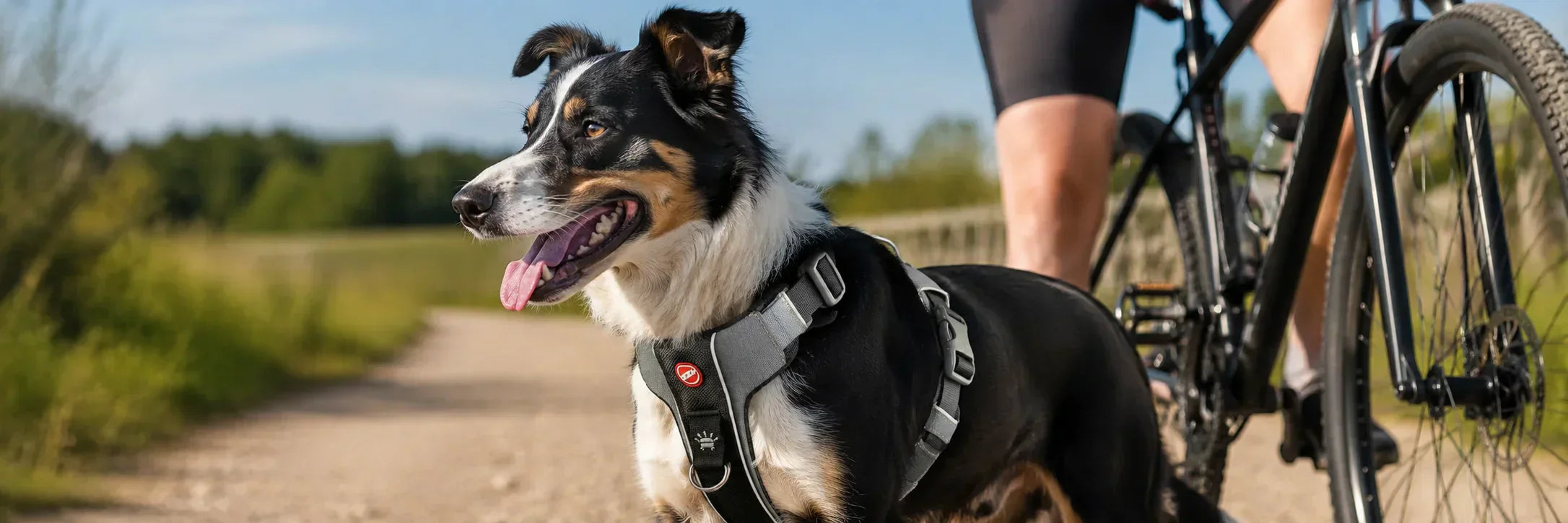
Dog Harness for Bike Riding - Specialized Design for Bike Riding
As a keen cyclist and dog parent, I can tell you that riding with your pup is one of life’s simple joys – but it’s not as straightforward as clipping a lead to a collar and hitting the footpath. When a dog pulls against a collar, all that force concentrates on delicate neck tissues and can injure the trachea or spine.
I learned early on that a properly fitted dog harness for bike riding spreads pressure across the chest and shoulders and gives me far more control on the bike. In this guide I’ll share why a bike-specific harness matters, what features to look for, how to prepare your dog for biking, and the EzyDog gear that makes every ride safer and more comfortable.
Why a Harness & Proper Gear Are Essential
Think of biking as jogging for your dog – it’s a demanding activity that requires preparation. Even if your dog seems fit, book a vet check-up before starting. Puppies, senior dogs, short-nosed breeds (like pugs or bulldogs) and overweight pets may not cope well with sustained runs.
Once you’ve got the green light from your vet, gear up properly:
-
Bike-specific lead or seat-post attachment – keeps the line away from wheels.
-
Reflective harness – improves safety in traffic or low light.
-
Zero-shock or bungee system – absorbs sudden pulls.
-
First-aid kit & water – for both you and your pup.
Tip: Never hold a standard lead in your hand or tie it directly to the bike. If your dog veers off, you risk being pulled over or tangled in the spokes.
What Makes the Best Bike-Riding Harness?
Over the years I’ve tested a few different setups and found the perfect bike riding dog harness should balance comfort, safety, and control.
Key Features to Look For
-
Chest & Shoulder Support – Broad plates distribute pressure away from the neck.
-
Adjustable Fit – Multiple points prevent slippage and maximise control.
-
Shock-Absorbing Design – Bungee or spring systems protect joints and balance.
-
Lightweight & Breathable Materials – Prevent overheating during long rides.
-
No-Chafe Padding – Soft straps or fleece lining for all-day comfort.
-
Quick On/Off – Step-in or single-buckle harnesses save time.
-
High Visibility – Reflective trim or bright colours for low-light safety.
Tip: Choose bright, reflective harnesses so drivers and other cyclists see you. For rough trails, consider protective dog boots for extra traction.
Best EzyDog Harnesses & Accessories for Bike Riding
Here are my go-to choices when I hit the road or trails with my dog:

X Link Harness
Perfect for off-road rides. Dual attachment points with zero-shock technology in the straps give both flexibility and control.

Essential Chest Plate Harness
The EVA foam chest pad moulds to your dog’s shape, spreading pressure evenly. Quick to put on and ideal for longer rides.
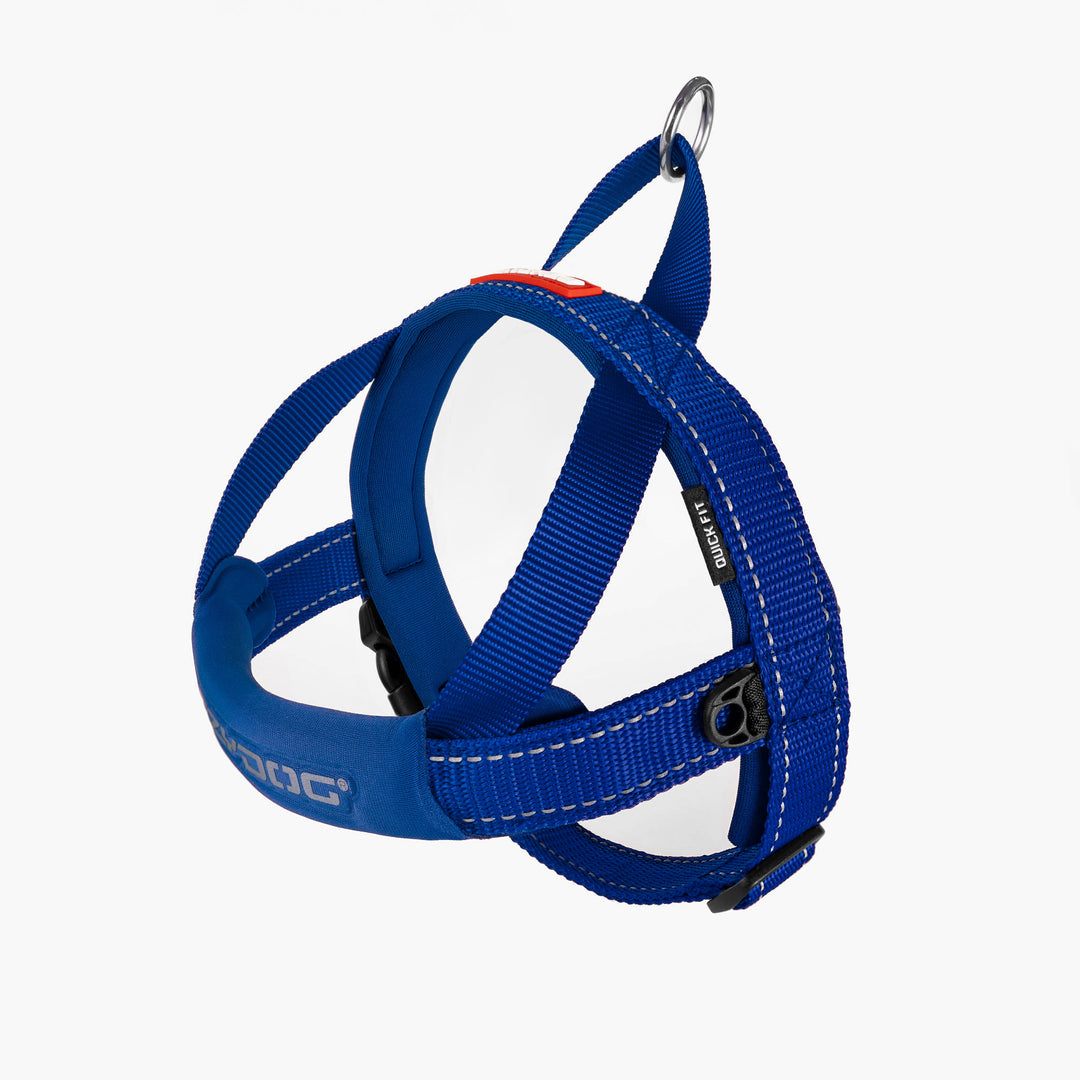
Quick Fit Harness
Slips on with a single buckle like a collar. Neoprene padding adds comfort, and reflective stitching boosts visibility.
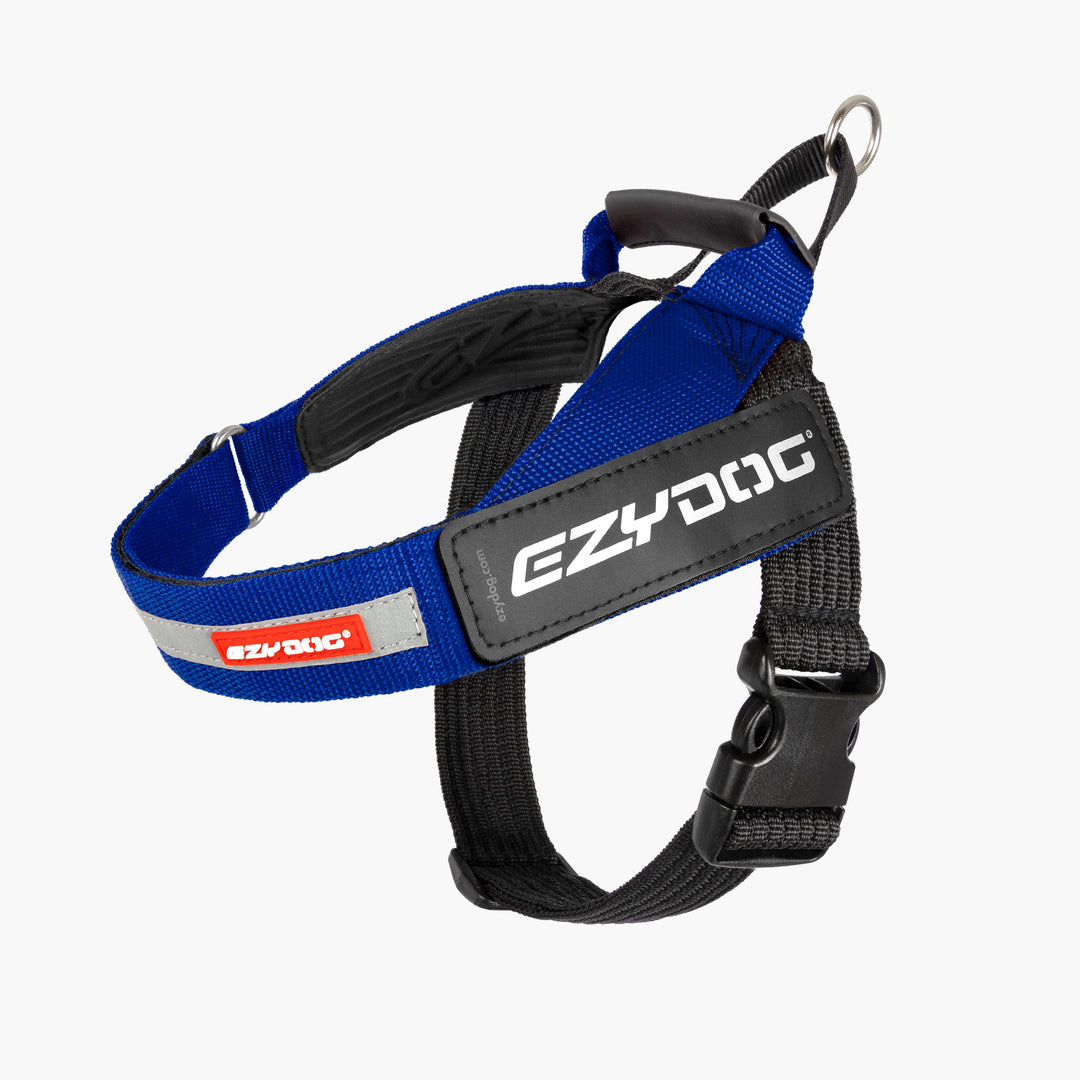
Express Harness
Great for rides mixed with market stops or bushwalks. Includes a top grab handle and optional front clip.
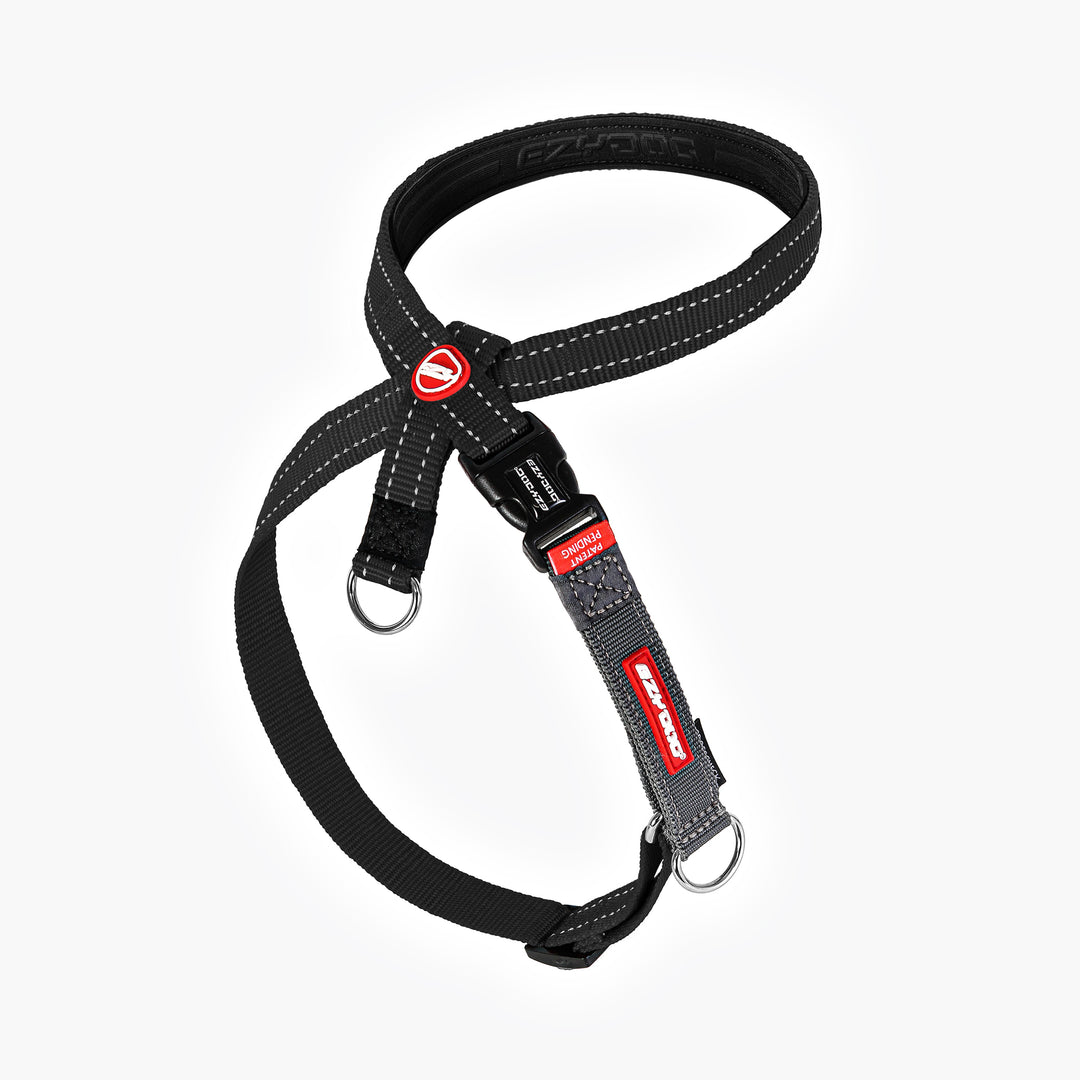
Crosscheck Harness
A figure-8 design gently discourages pulling. I used this while teaching my dog bike-safe manners before upgrading to the X-Link.
Must-Have Accessories
-
Zero-Shock Leash – Bungee section reduces jolts from sudden pulls.
-
Click Seat Belt – For safe car trips to the trailhead (always clip to a harness, not a collar).
Alongside these, check out non-pull dog harnesses, dog leads, car seat belts, and clean-up essentials. Each collection supports an active lifestyle and ensures comfort before, during, and after rides.
Fit Guide for a Bike-Riding Harness
For the best fit, always measure before you buy:
-
Chest (Girth): Around the widest part of the chest behind the legs.
-
Neck: At the base where a collar sits.
-
Body Length: From base of neck to base of tail.
-
Weight: Cross-check with product size guides.
Tip: If your dog is between sizes, go up one size and adjust straps for snugness. Too small can restrict movement.
Preparing Your Dog for Bike Riding
Step 1 – Start with Health & Temperament
Check with your vet first. Avoid biking with brachycephalic breeds, overweight dogs, or young puppies under 12–14 months.
Step 2 – Introduce the Bike Slowly
Let your dog sniff and explore the stationary bike. Walk together with the bike before trying a ride.
Step 3 – Teach Cues & Build Stamina
Commands like stop, slow, and this way are lifesavers on rides. Start with 5–10 minutes at walking pace, then build up gradually.
Tip: Always ride at your dog’s pace. Watch for heavy panting, drooling or stumbling – clear signs it’s time to rest.
Care & Maintenance of Your Harness
-
Clean after muddy rides with mild soap and air-dry.
-
Check buckles and stitching before each ride.
-
Adjust straps if your dog’s weight or coat changes.
-
Store in a cool, dry spot out of direct sun.
Frequently Asked Questions
Why not use a collar for biking?
Collars focus all pressure on the neck and can injure the trachea. A harness distributes force across the chest and shoulders for safer control.
How tight should a bike harness be?
The fit should be snug but not restrictive. You should be able to comfortably slide two fingers between the harness and your dog’s body.
Can my dog wear a harness all day?
It’s best to remove the harness after the ride. Prolonged wear can cause rubbing, matting, or irritation if left on continuously.
What if my dog lunges at wildlife?
Use a shock-absorbing lead and practise cues such as “watch” and “stop.” Training, consistency, and mental enrichment will help reduce chasing behaviour.
How do I get my dog used to a harness?
Start indoors, reward calm behaviour, and gradually build up the duration. Once your dog is comfortable, progress to walks before introducing bike rides.
The Bottom Line
Choosing the right bike riding dog harness is one of the most important decisions you’ll make for your pup’s safety and comfort. The right harness paired with a shock-absorbing leash protects the neck and spine while giving your dog freedom to enjoy the ride.
From my own experience, building up gradually, teaching clear cues, and investing in quality gear like EzyDog’s harnesses makes biking together safe, fun, and stress-free.
When you’re ready to ride, explore the EzyDog range – from reflective harnesses and zero-shock leads to travel gear and cosy beds for post-ride naps. Every product is designed to support active Aussie lifestyles.


Read more

Leave a comment
This site is protected by hCaptcha and the hCaptcha Privacy Policy and Terms of Service apply.