

How much weight can a dog safely carry?
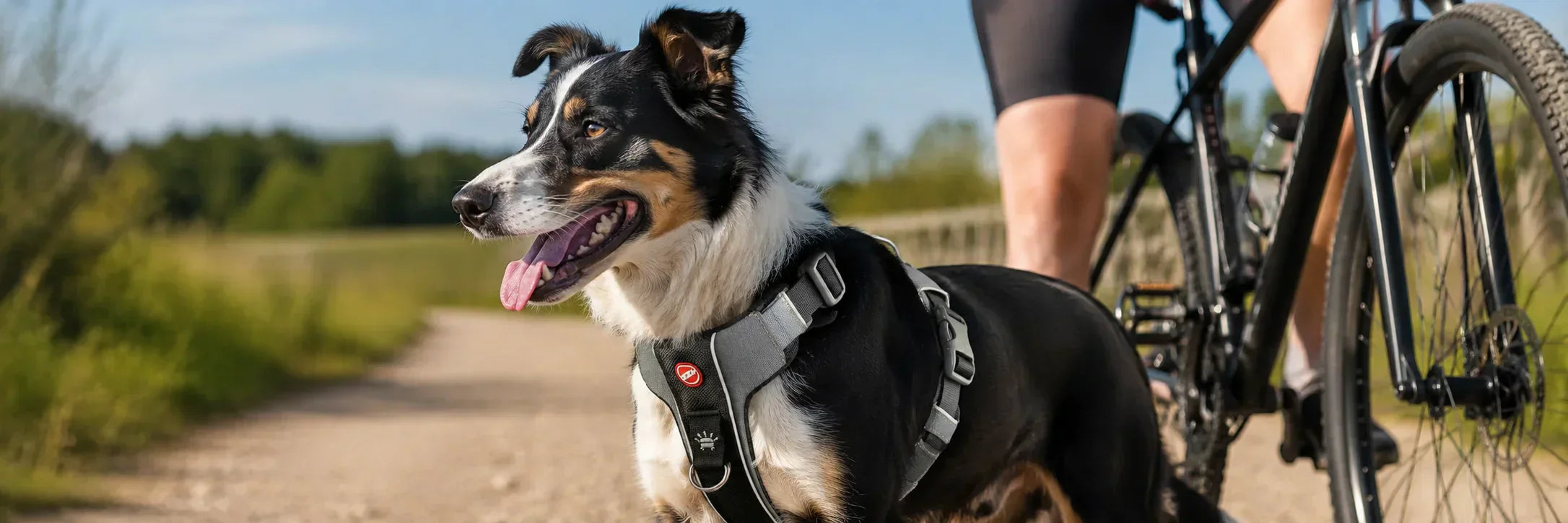
A dog with a pack on looks the part, and for a lot of active dogs it genuinely helps. Carrying a little of their own gear gives them a job on the trail, and a job is often exactly what a high-energy dog wants. The catch is weight. Load a dog up too soon or too heavy and you stop helping and start straining, so it pays to get the numbers right before you head out.
Here is the short answer, then the detail behind it.
How much weight can a dog carry?
As a general starting guideline, a fit, healthy adult dog can carry roughly 10 to 15 percent of its own body weight, and some well-conditioned working dogs manage more. That figure is a ceiling to build up to, though, not a place to start.
So for a 20kg dog, that is somewhere around 2 to 3kg once they are used to it. Begin well under that, add weight slowly over several outings, and let your dog's comfort set the pace rather than the number on a chart.
A few things shift where your dog sits in that range:
-
Fitness and conditioning: A dog that walks daily handles more than a weekend walker.
-
Age: Puppies and senior dogs should carry little or nothing (more on that below).
-
Breed and build: A lean, athletic dog manages load differently to a short-legged or heavy-set breed.
-
Terrain and distance: A flat half-hour is not the same as a steep all-day hike.
When in doubt, go lighter. Your vet is the right person to confirm what suits your individual dog, especially if there is any history of joint or mobility issues.
Are dog backpacks safe?
Yes, dog backpacks are safe for most healthy adult dogs when they are fitted well and loaded sensibly. The risk comes from two things: too much weight, and a poor fit that lets the pack shift, rub, or press on the wrong places.
Get those two right and a pack is a comfortable, useful bit of kit. Get them wrong and you can cause chafing, strain, or a dog that simply refuses to wear it. The rest of this guide is really about avoiding both.
Are dog backpacks good for dogs?
For the right dog, yes. Beyond carrying water and gear, a pack gives an active dog a sense of purpose on a walk, and many owners find their dog is calmer and more focused with one on. The steady, even load also encourages a nice working pace rather than pulling and zig-zagging.
They are not for every dog, though, and that is worth being honest about.
Which dogs should skip the pack?
Some dogs are better off walking light. Leave the load off for:
-
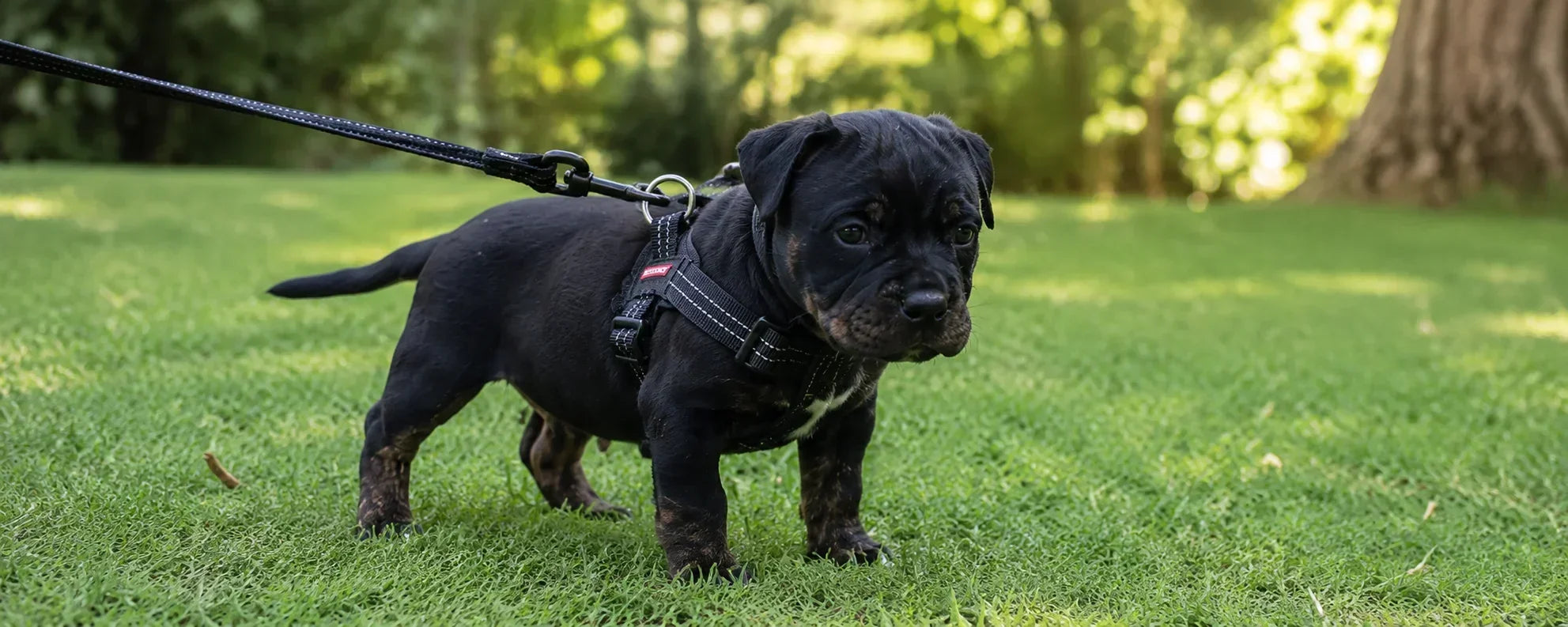
Puppies, whose joints and growth plates are still developing.
-
Senior dogs, or any dog with arthritis or reduced mobility.
-
Dogs recovering from injury or surgery, unless your vet has cleared it.
-
Dogs with orthopaedic or structural issues, where extra load adds strain.
If your dog falls into any of these, they can still come on every adventure. They just do it with an empty back, and that is completely fine.
How to fit a dog backpack properly
Fit is where most of the comfort comes from, and it is the step people tend to rush.
A pack should sit snug against the body without restricting the shoulders or chest. The weight wants to rest over the shoulders and upper back, not sag down towards the hips. Straps should be firm enough that the pack stays put when your dog trots or scrambles, yet loose enough that you can slide two fingers underneath.
Then load it evenly. Balance the weight on both sides so the pack does not drag to one side and pull your dog off-line. Once it is on, watch how they move. If they slow down, lag, or seem unsettled, take weight out. A pack should never change the way your dog walks.
Do a short test lap close to home before any real trip. Far better to find a rub point in the backyard than an hour down the trail.
How to get your dog used to wearing a pack
Introduce it the way you would anything new, without rushing.
Let your dog sniff the empty pack first, then pop it on for a few minutes at home with no weight in it. Pair it with something they love, a walk or a treat, so the pack becomes a good sign rather than a strange object. Once they are relaxed wearing it empty, add a little weight and a short walk, then build from there.
Most dogs take to it quickly once they connect the pack with heading somewhere fun.
Choosing a pack for the way you walk
The right pack depends on what you are actually doing with it.
For proper hikes and adventures where your dog carries a real load, a dedicated pack with genuine capacity makes sense. The Summit Backpack is made for exactly that, hiking and active days out, and comes in sizes to suit smaller dogs through to larger breeds.
If your dog already wears a Convert Harness and you want a lighter option that clips onto gear they already know, the Convert Saddle Bags attach to the harness you already own and suit hiking and everyday walks. They are a good way to test whether your dog takes to carrying before you commit to a full pack.
Whichever you land on, look for adjustable straps, padding where the pack meets the body, and compartments that hold a load securely without letting it shift. You can see the full range on our dog backpacks collection.
Heading further afield? It is worth pairing the right pack with the rest of your kit. Our guides to hiking gear for dogs and must-have adventure gear cover what else to pack for a day on the trail.
The bottom line
A healthy adult dog can carry roughly 10 to 15 percent of its body weight once conditioned, built up gradually from far less. Fit the pack snug and balanced, skip the load for puppies, seniors, and recovering dogs, and let your dog's comfort guide you rather than the maximum on any chart. Do that, and a backpack turns an ordinary walk into a proper adventure with a purpose.
Frequently Asked Questions
How much weight can a dog carry in a backpack?
As a general guideline, a fit, healthy adult dog can carry around 10 to 15 percent of its body weight once it is conditioned to it. Start well below that, build up slowly over several walks, and check with your vet for your individual dog.
Are dog backpacks safe?
Yes, for most healthy adult dogs, provided the pack is fitted well and not overloaded. Most problems come from too much weight or a loose, poorly fitted pack that shifts and rubs.
Are dog backpacks good for dogs?
For active, healthy dogs, a pack can give a sense of purpose on a walk and encourage a steady pace. They are not suitable for puppies, senior dogs, or dogs with joint or mobility issues.
How do I fit a dog backpack properly?
The pack should sit snug over the shoulders and upper back without restricting the chest, with straps firm enough to stay put but loose enough to slide two fingers underneath. Load it evenly on both sides and do a short test walk before any trip.
How do I get my dog used to wearing a backpack?
Let your dog sniff it, wear it empty at home for a few minutes, and pair it with a walk or treat so it becomes a positive thing. Add weight gradually once they are relaxed wearing it.
What weight can a puppy carry in a backpack?
Puppies should not carry weight at all. Their joints and growth plates are still developing, so let them walk with an empty pack or none until they are fully grown and your vet gives the go-ahead.


Read more
Leave a comment
This site is protected by hCaptcha and the hCaptcha Privacy Policy and Terms of Service apply.